
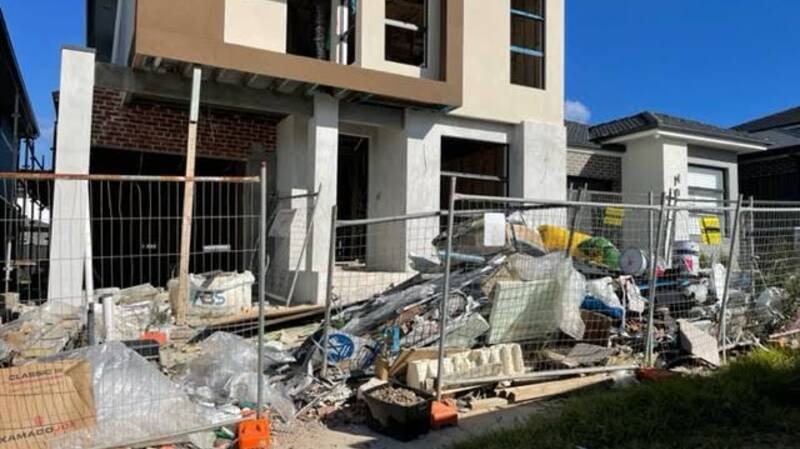
Waste Removal Considerations for Residential Property Upgrade Projects
Residential property upgrade projects can make a home more functional, attractive, and valuable, but they can also create more debris than many homeowners expect. A simple backyard improvement, exterior refresh, room renovation, driveway update, or garage cleanup can quickly produce piles of old materials, packaging, demolition waste, and bulky items that normal household trash service cannot handle. For homeowners, waste removal planning is an important part of keeping the project organized. Whether the work is being completed by a contractor or handled as a do-it-yourself improvement, having a clear cleanup strategy helps reduce stress, protect the property, and keep the upgrade moving forward without unnecessary interruptions.
Why Property Upgrades Generate So Much Waste
Residential upgrades often involve removing existing materials before new improvements can be installed. Old flooring, cabinets, drywall, doors, trim, fixtures, decking, fencing, siding, landscaping materials, concrete, and outdoor structures may all need to come out during the project. Even projects that seem simple at first can produce bulky debris. Replacing a few rooms of flooring creates old carpet, padding, trim, boxes, and packaging. Updating a deck may involve lumber, railings, fasteners, stairs, and concrete footings. Landscaping work can generate brush, soil, sod, roots, edging, and broken hardscape materials. Because debris builds up in phases, homeowners should think about waste removal before the project begins rather than waiting until cleanup becomes a problem.
Start With the Scope of the Project
The first step in planning waste removal is understanding the size and type of the project. A bathroom renovation, kitchen upgrade, roof repair, garage cleanout, patio removal, or yard improvement will each generate different debris. Homeowners should consider what materials are being removed, how much space they will take up, and whether any items are especially heavy or bulky. This helps determine whether the project needs a temporary disposal solution or whether smaller amounts of debris can be handled another way. A clear project scope also helps avoid last-minute cleanup surprises.
Think About Debris Before Work Begins
Many homeowners focus on the finished result and overlook the mess created along the way. However, debris management affects how smoothly the project runs from day one. Before demolition or removal starts, homeowners should decide where debris will be collected, how it will leave the property, and how access will be maintained around the home. If a contractor is doing the work, cleanup responsibilities should be discussed before the project begins so expectations are clear. Planning early helps prevent debris from being scattered across driveways, lawns, walkways, or unfinished work areas.
Create a Centralized Cleanup Area
One of the easiest ways to keep a residential upgrade organized is to create a dedicated debris collection area. Instead of placing waste in several spots around the property, materials should be moved to one controlled location. Many homeowners coordinate cleanup through Waste Removal USA when residential improvement projects produce more debris than standard trash service can manage. A centralized waste area keeps the property cleaner and makes it easier to remove debris when the project is complete. The location should be convenient for workers while still preserving access to the driveway, garage, front door, and other important areas.
Separate New Materials From Waste
Residential upgrade projects often involve both incoming materials and outgoing debris at the same time. New flooring, cabinets, pavers, fixtures, plants, trim, paint, and supplies may arrive while old materials are still being removed. Keeping new materials separate from waste helps prevent damage and confusion. It also makes the work area easier to navigate and reduces the chance that useful supplies get buried under debris. A clean staging area for new products can make installation faster and help homeowners confirm that materials arrived in good condition.
Plan for Heavy Materials
Some residential upgrades generate materials that are especially heavy. Concrete, brick, stone, tile, soil, roofing materials, and old countertops can quickly become difficult to manage. Heavy debris requires extra planning because it can be harder to move and may affect disposal limits. Homeowners should avoid allowing dense materials to pile up in areas that block access or create safety concerns.When a project includes heavy debris, it is often better to remove materials in stages instead of waiting until the entire project is finished.
Protect Driveways, Lawns, and Walkways
Waste removal planning should also account for property protection. Debris piles, wheelbarrow traffic, equipment movement, and material staging can damage lawns, driveways, landscaping, and finished surfaces if not managed carefully. Homeowners should choose debris routes that minimize unnecessary traffic through sensitive areas. If contractors are involved, it is worth discussing how they will protect grass, pavement, patios, and existing landscaping during cleanup. Good planning helps avoid repairs that were never part of the original project.
Keep Access Clear During the Project
Residential improvements often happen while people are still living in the home. That makes clear access especially important. Driveways, sidewalks, garage doors, porches, and entryways should remain as open as possible throughout the project. Debris should not block daily routines, deliveries, emergency access, or safe movement around the property. If certain areas must be temporarily blocked, homeowners should know when and for how long. Maintaining clear access helps the project feel less disruptive.
Coordinate Cleanup with Contractors
When hiring contractors, homeowners should ask how debris will be handled. Some contractors include cleanup in the project, while others expect the homeowner to arrange disposal separately.
Important questions include:
- Who is responsible for removing demolition debris?
- Where will waste be staged during the project?
- How often will cleanup happen?
- What materials are included in the disposal plan?
These conversations help prevent misunderstandings and make the project easier to manage.
Manage Outdoor Debris Separately When Needed
Outdoor upgrades can create a mix of organic and construction debris. Landscaping projects may include brush, sod, limbs, soil, mulch, and roots, while hardscape projects may involve concrete, pavers, stone, edging, and lumber. Keeping these materials organized makes cleanup more efficient. It can also prevent brush or soil from spreading across areas that are already finished. Outdoor projects often cover more space than interior renovations, so debris containment is especially important for keeping the property manageable.
Avoid Waiting Until the End
One of the biggest cleanup mistakes homeowners make is waiting until the end of the project to deal with debris. By then, waste may be blocking work areas, taking over the driveway, or making the property look more chaotic than necessary. Removing debris throughout the project keeps the site cleaner and allows each phase to move forward more easily. This is especially helpful during multi-stage upgrades such as full room remodels, exterior repairs, landscape renovations, and garage or basement cleanouts. Ongoing cleanup often makes the entire project feel more controlled.
Prepare for Unexpected Waste
Residential projects often reveal surprises once work begins. Old materials may be layered beneath newer finishes, hidden damage may need to be removed, or the project may expand after demolition starts.
A flooring project may uncover damaged subflooring. A deck replacement may reveal rotted framing. A landscaping upgrade may uncover buried concrete or old edging. These discoveries can increase the amount of debris that needs to be removed. Building some flexibility into the cleanup plan helps homeowners respond without slowing the project down.
Keep Safety in Mind
Debris can create hazards around a home. Nails, broken tile, sharp metal, splintered lumber, loose wires, and uneven piles of material can be dangerous for homeowners, children, pets, workers, and visitors.
Keeping debris contained and removing it regularly helps reduce these risks. Homeowners should also avoid walking through work areas when demolition is active or when materials are being moved.
A cleaner project area is easier to monitor and safer for everyone on the property.
Make Final Cleanup Easier
A good waste removal plan makes the final stage of the project much simpler. When debris has been managed throughout the process, the final cleanup is not overwhelming. Workers can focus on finishing details, sweeping, organizing tools, and preparing the upgraded area for use.
This also helps homeowners enjoy the finished improvement sooner. Instead of staring at piles of leftover debris after the project ends, they can see the full benefit of the work that was completed.
Waste removal is an important part of residential property upgrade projects. By planning ahead, creating a centralized cleanup area, separating new materials from debris, protecting the property, and coordinating responsibilities with contractors, homeowners can keep improvement projects more organized from start to finish.
Whether the project involves interior remodeling, exterior upgrades, landscaping, hardscaping, or a large cleanup, thoughtful waste management helps reduce disruption and supports a smoother overall experience. When debris is handled properly, the project feels more controlled, the property stays safer, and the final result is easier to enjoy.


You May Also Like

China Underground Military Hub Construction: A New Era of Strategic Defense Power

Importance of Teckaya Construction Equipment Ltd: A Complete Guide to Its Role in Modern Construction