
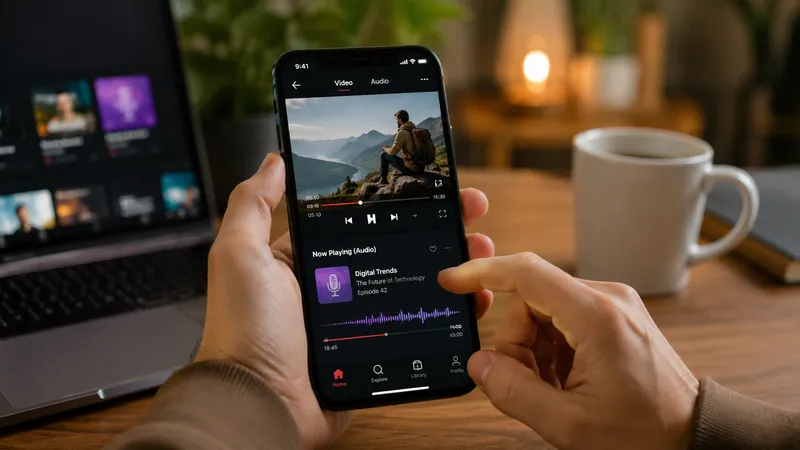
Application Mobile DualMedia: Complete Guide & Features
In today’s mobile-first world, users expect more than just a single-function app. They want speed, flexibility, and the ability to consume content in multiple formats—without switching platforms. That shift has led to the rise of Application Mobile DualMedia, a powerful concept redefining how modern apps are built and experienced.
This guide goes beyond the basics. You’ll learn not only what Application Mobile DualMedia is, but also how it works at a technical level, the design challenges behind it, and how businesses can use it to create better user experiences.
What Is Application Mobile DualMedia?
Application Mobile DualMedia refers to a mobile application that integrates multiple content formats—such as video, audio, text, and interactive elements—into one unified platform.
Instead of forcing users to jump between apps, DualMedia applications allow them to:
- Watch and listen simultaneously
- Switch between formats without interruption
- Interact with content in real time
Real-World Example:
Imagine watching a business podcast as a video, then locking your phone and continuing with audio. At the same time, you can access show notes or transcripts. That’s DualMedia in action.
Why Application Mobile DualMedia Matters Today
User expectations have evolved. People no longer consume content in one format.
- Video dominates mobile traffic
- Audio content (like podcasts) continues to grow
- Users multitask across formats daily
Traditional apps fail because they limit users to one format. DualMedia apps solve this by creating a fluid, multi-format experience. If you need more information, visit our website.
The result: higher engagement, longer session time, and better user satisfaction.
Core Features of Application Mobile DualMedia
1. Multi-Format Content Integration
Supports:
- Video streaming
- Audio playback
- Text content
- Interactive elements
All within one interface.
2. Seamless Media Transition
Users can switch between formats instantly.
Example:
Start a lecture as a video → continue as audio → read the summary later.
3. Smart Personalization
AI-driven recommendations based on:
- Viewing history
- Listening behavior
- User preferences
4. Offline Functionality
Download content and access it without an internet connection.
5. Real-Time Interactivity
- Live chat
- Polls
- Comments
- User feedback systems
Technical Stack and Architecture (Deep Dive)
To truly understand Application Mobile DualMedia, you need to look under the hood. These apps rely on a modern, scalable architecture designed to handle complex media workflows.
1. Frontend Layer (User Experience Engine)
Developers typically use:
- Flutter or React Native for cross-platform apps
- Native technologies (Swift for iOS, Kotlin for Android) for high performance
The frontend handles:
- Media rendering
- UI transitions
- User interactions
2. Backend Architecture (Core Logic)
The backend powers everything behind the scenes:
- Node.js / Django / Firebase for scalable APIs
- Microservices architecture for flexibility
- REST or GraphQL APIs for data communication
Microservices allow different media components (video, audio, analytics) to run independently without breaking the system.
3. Media Processing & Streaming Layer
This is where DualMedia becomes technically complex.
- Video encoding (HLS, MPEG-DASH)
- Adaptive bitrate streaming for different network speeds
- Audio-video synchronization
Without this layer, seamless switching between media would not be possible.
4. Cloud Infrastructure
Most DualMedia apps rely on:
- AWS, Google Cloud, or Azure
- CDN (Content Delivery Networks) for fast global access
- Scalable storage for large media files
5. Real-Time Systems
For live features, apps use:
- WebSockets
- Real-time databases
- Event-driven architecture
This enables:
- Live streaming
- Instant messaging
- Interactive sessions
6. Data & Analytics Layer
Modern apps track:
- User engagement
- Watch/listen time
- Drop-off points
This data helps optimize both content and user experience.
UI/UX Design Challenges (Expert Insights)
Designing a DualMedia app is not just about adding features—it’s about creating a seamless experience without overwhelming the user.
1. Avoiding Cognitive Overload
Too many media options can confuse users.
Solution:
- Use progressive disclosure (show options step-by-step)
- Keep the interface clean and minimal
2. Smooth Media Switching Experience
Switching between video and audio must feel natural.
Best Practice:
- One-tap transitions
- No buffering delays
- Maintain playback position
3. Responsive Layout Design
Users interact across different devices and orientations.
Challenges include:
- Adapting layouts for small screens
- Maintaining usability in split-screen modes
4. Accessibility Design
A strong DualMedia app must support:
- Subtitles for videos
- Audio descriptions
- Adjustable text sizes
Accessibility is no longer optional—it directly impacts engagement and retention.
5. Performance vs. Design Balance
Heavy animations and media can slow down apps.
Expert Approach:
- Optimize assets
- Use lazy loading
- Reduce unnecessary UI elements
Real-World Use Cases
Education Platforms
- Video lectures + transcripts + quizzes
- Improves retention and understanding
Entertainment Apps
- Video streaming + audio-only mode
- Live content + user interaction
Fitness Applications
- Workout videos + voice coaching
- Text-based diet plans
News & Media Platforms
- Articles + audio summaries
- Live coverage + video reports
E-Commerce Apps
- Product videos + descriptions
- Live selling + chat interaction
Benefits of the Application Mobile DualMedia
Enhanced User Engagement
Multiple formats keep users interested longer.
Improved Accessibility
Users choose how they consume content.
Higher Retention Rates
Seamless experience reduces app switching.
Business Growth Opportunities
- More monetization options
- Better analytics
- Increased conversions
Challenges to Consider
Development Complexity
Requires skilled teams and advanced planning.
Performance Optimization
Media-heavy apps must be optimized carefully.
Storage & Bandwidth Costs
High-quality media increases infrastructure demands.
DualMedia vs Traditional Apps
| Feature | DualMedia Apps | Traditional Apps |
|---|---|---|
| Media Support | Multi-format | Single format |
| User Experience | Integrated | Fragmented |
| Engagement | High | Moderate |
| Scalability | Advanced | Limited |
Future of Application Mobile DualMedia
The next generation of apps will push this concept even further.
Emerging Trends:
- AI-powered content delivery
- Voice-first interfaces
- Augmented Reality (AR) integration
- 5G-enabled ultra-fast streaming
DualMedia apps are not just the future—they are quickly becoming the standard.
Practical Tips (From Experience)
1: For Developers:
- Focus on scalable architecture
- Optimize media delivery systems
- Prioritize performance testing
2: For Businesses:
- Invest in multi-format content
- Use analytics to refine strategy
- Focus on user retention
3: For Users:
- Choose apps with flexible media options
- Look for offline support
Prioritize smooth performanceConclusion
If you want to stay ahead in today’s competitive digital space, understanding Application Mobile DualMedia is essential. Whether you’re building an app or simply choosing one, this approach offers unmatched flexibility, engagement, and long-term value. For more information, visit our website.


You May Also Like
Adstotally.com: Curating the World’s Advertising Insights (Full Review & Guide)

Blog ThriftyEvents.net: Easy Budgeting Tips for Successful Event Planning